Aug 8 2026 | theoutcastcollective
We have conducted over 50 POSH inquiries this year and we have the following observations highlight the evolving landscape of workplace safety and POSH implementation.
While organisations are moving beyond a compliance-driven approach to a stronger focus on prevention, early reporting, and cultural accountability. New challenges continue to emerge around generational differences, AI-enabled misconduct, intersectional vulnerabilities, and managerial responsibilities.
Together, these trends highlight that to create safe workplaces, there needs to be a continuous investment in awareness, leadership, systems, and organisational culture not just legal compliance.
Key Observations from POSH Inquiries
-
Greater focus on prevention rather than only responding after incidents occur
Organisations are increasingly investing in psychological safety through proactive measures via sensitisation workshops, bystander training, and clear escalation protocols rather than waiting for a complaint to trigger action. This shift reflects a growing understanding that prevention is more cost-effective and culture-building than post-incident redressal alone.
-
Rise in hostile work environment complaints
A growing share of complaints now stem from patterns of exclusion, microaggressions, and undermining behaviour rather than isolated incidents of overt harassment. This signals a broader definition of workplace harm taking root, one where psychological safety is being recognised as core to POSH compliance, especially in hybrid and distributed teams.
-
Generational gaps in understanding workplace boundaries
Younger employees entering the workforce often carry different expectations around consent, humour, and personal space than senior colleagues who came up in earlier workplace norms. This gap is creating friction in everyday interactions and calling for training that speaks to multiple generational frames of reference simultaneously.
-
Emerging risk from AI misuse
Deepfakes, AI-generated explicit content, and manipulated images are surfacing as a new category of harassment that existing POSH frameworks were not originally designed to address. Organisations are now being pushed to update policies and Internal Committee training to recognise and respond to these technology-enabled forms of misconduct.
-
Need for an intersectional approach
Vulnerability to harassment is rarely uniform. It’s shaped by compounding factors like power dynamics, disability, language fluency, and socio-economic background. Inquiry processes and prevention strategies need to account for these overlapping identities rather than applying a one-size-fits-all lens.
-
Role of HR & managers as first responders
Managers are often the first point of contact when something feels wrong, long before a formal complaint is filed, making their awareness and response critical to how safe an environment actually feels. Equipping HR and people managers with the right training and language is proving just as important as the Internal Committee process itself.
Read more about the Mid-Year Review of Cases from our POSH Expert
Key Highlights
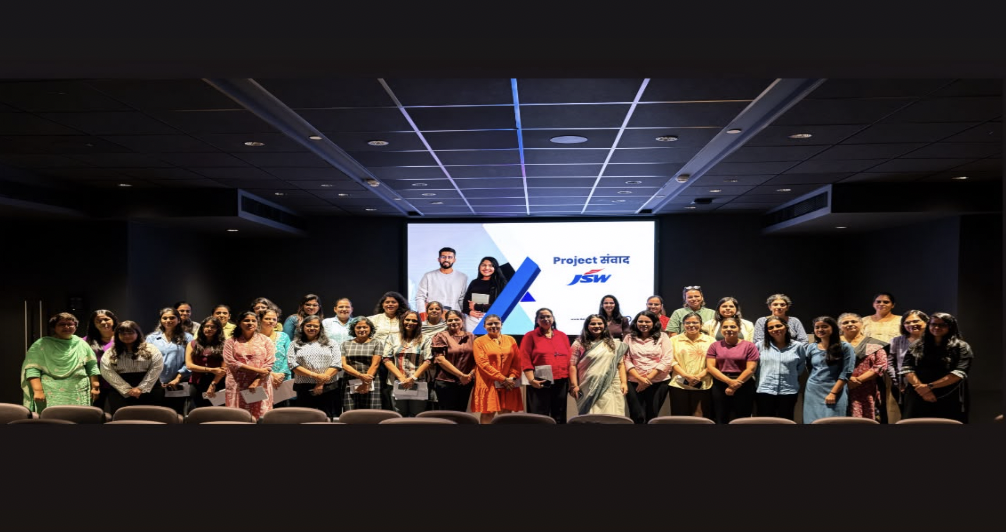
The Outcast Collective hosted a session “Samwaad: Building a Respectful and Inclusive Workplace” for a leading multinational conglomerate, bringing together women for an interactive conversation on workplace culture, inclusion, & accountability.
The session focused on strengthening participants’ understanding of respectful workplace behaviours through professional boundaries, inclusive communication, and the Intent vs. Impact lens. Key areas included the RISE Framework for responding professionally, taking accountability, speaking up, and escalating concerns respectfully, alongside practical communication and bystander intervention skills. The session concluded with personal action planning to help participants foster trust, psychological safety, and accountability within their teams.
Contact us for similar interventions in your organisation
The “Women in Leadership: How Organisations Can Build Stronger Leadership Pipelines” guide examines the structural barriers that limit women’s progression into leadership, moving the conversation beyond representation to advancement. It explores challenges such as the “broken rung,” gaps in sponsorship, strategic exposure, and succession planning that hinder leadership growth.
The guide also provides practical solutions through ACCESS and 30-30-30 actionable frameworks, alongside real-world case studies and governance recommendations. It equips organisations with strategies to build stronger leadership pipelines and drive measurable, long-term progress in women’s leadership.
Get the guide here