Oct 16 2026 | theoutcastcollective
POSH Complaints Rise in Nifty 50: What Organisations Should Know
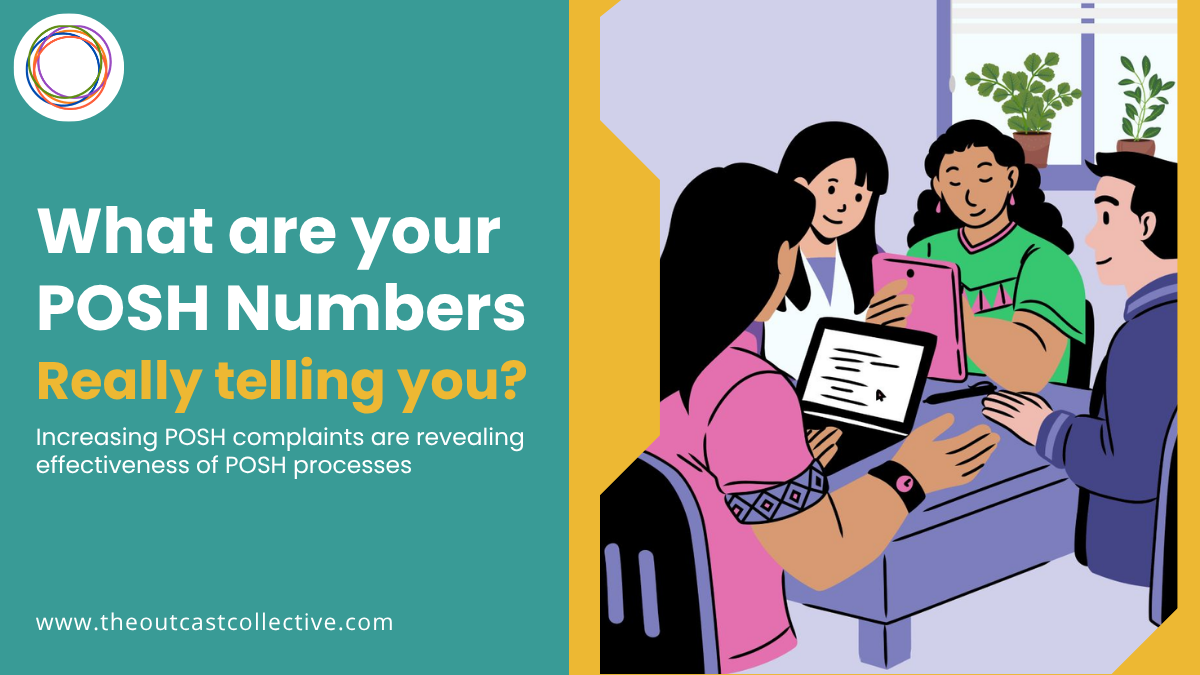
Nifty 50 companies reported 1,327 POSH complaints in FY26, up from 1,269 in FY25. POSH complaints among the index companies have increased for the second consecutive year.
At first glance, the latest POSH data from Nifty 50 companies looks like a warning sign. Look closer, and it tells a different story, one about trust, awareness and what employees now expect when they speak up.
New disclosure rules require companies to report in their board reports how many complaints they received, how many they resolved and how many stayed pending beyond 90 days.
Higher Numbers Are Not Always Bad News
It means that more employees are understanding POSH and their rights at the workplace.
Experts are clear that a higher count doesn’t automatically mean more harassment. It more likely reflects employees who understand POSH better and trust the system enough to use it.
Changing Work Set-ups Bring New Challenges
As hybrid work grows, more cases now involve emails, chat platforms and video calls, and AI-generated content is likely to be the next frontier.
For organisations, this means POSH policies, training and Internal Committees need to keep pace, so employees know digital misconduct is covered and IC members know how to handle it.
What Organisations Should Take Away From This
- Read your numbers in context: Look at complaint data alongside training coverage, workforce demographics and resolution times. A rise can signal a healthier reporting culture.
- Watch what sits behind the number: Unresolved complaints, inquiries running past 90 days or repeat complaints from the same team point to deeper gaps.
- Prepare for digital workplace POSH compliance: Make sure your policy, training and IC are equipped for misconduct on messaging apps, video calls and AI-generated content.
- Build trust before you need it: People report when they feel safe. That starts with psychological safety, well-prepared first responders and an IC employees believe is fair.
A well-trained Internal Committee is often what makes employees trust the process enough to speak up.
In our recent IC training with Burger Singh, we took committee members through the full complaint process using real workplace scenarios, from defining the scope of the workplace to running fair and confidential inquiries.
Key Highlights: Inclusive Sales Leadership Workshop
Sales is one of the most people-facing roles in any organisation, built on client relationships, travel and constant collaboration. That makes the way managers lead their teams especially important and different from other teams.
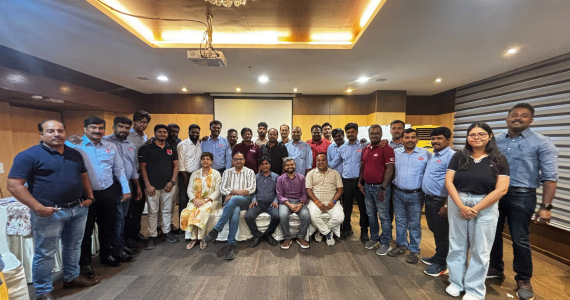
We recently brought sales managers together for a leading Indian private dairy company, to explore inclusion as a core part of their job, with a specific focus on the experiences of women in sales.
Through interactive activities, real-world scenarios and honest reflection, managers looked at how bias, feedback and visibility play out in their own teams.
The session closed with a 30-60-90 day action plan and practical manager checklists, so participants left with clear commitments to act on, not just ideas to think about.
Participants shared that the workshop helped them:
- See how everyday decisions shape a team member’s experience of inclusion and growth.
- Recognise where unconscious bias can creep into opportunities, feedback and visibility.
- Give more intentional, constructive feedback that builds capability.
- Take ownership of creating fair opportunities for everyone to contribute and progress.
Know more about our flagship DEI Programme
Contact Us for Similar Interventions in Your Organisation
.png)
The Inclusion Reality Check Webinar
Ask leaders if their workplace is inclusive, and most will say yes. Ask how they know, and the answers get harder.
Inclusion isn’t decided by policies alone. It’s shaped in a hundred small moments: who speaks in meetings, who gets stretch work, how feedback is given and whose ideas get credit. Most of those moments sit with managers.
In The Inclusion Reality Check Webinar, we’ll help you see what inclusion actually looks like inside your organisation, where the gaps are and what your managers can do about them.
Date: 31 October 2026
Time: 11:00 AM to 12:00 PM IST
Platform: Zoom
You’ll Walk Away Able To:
- Tell the difference between DEI intent and everyday inclusion.
- Spot management habits that quietly exclude people.
- Pinpoint gaps across communication, decision-making and employee experience.
- Equip managers with specific, everyday inclusive behaviours.
- See how the TOC Inclusive Manager Toolkit can show where your managers stand today.
Seats are limited to keep the session interactive.
Don’t Miss Out!
Register Now