Inclusive Language Guide
Inclusive language refers to the intentional use of words and expressions that avoid stereotypes, prejudice, and discriminatory assumptions towards one particular group or community. This includes using gender- neutral terms, appropriate descriptions of disabilities, respecting an individual’s choice of pronouns, etc, while avoiding phrases that reinforce bias or exclusion.
ERG Guide
This guide empowers employees and leaders with practical tools to establish and support Employee Resource Groups (ERGs) as key drivers of Diversity, Equity, and Inclusion (DEI). It aligns ERG efforts with organizational goals to foster a workplace where everyone feels valued, respected, and included. It recognizes the unique influence ERGs have in shaping inclusive workplace cultures and ensures their lasting impact.
POSH Guidebook
This guide aims to help organizations reframe their approach to the prevention of sexual harassment in the workplace by applying an intersectional lens to the implementation of the POSH Act, 2013. By broadening the scope of compliance to include an awareness of diverse identities and experiences, the guide seeks to foster a truly inclusive, respectful, and psychologically safe work environment for all employees.
Multigenerational Workforce Guide
India’s workforce is currently experiencing a unique demographic phenomenon — the simultaneous presence of four generations at work: Baby Boomers, Gen X, Millennials, and Gen Z. Each group carries distinct values, work ethics, communication preferences, and career expectations. This guide aims to help HR professionals, managers, and leaders build synergy, reduce friction, and maximize team potential across age groups.

Best Practices for Manufacturing Industry
Over the past few years, India’s manufacturing sector has become a central pillar of national growth, powering industrial expansion, generating employment, and integrating the country into global value chains.
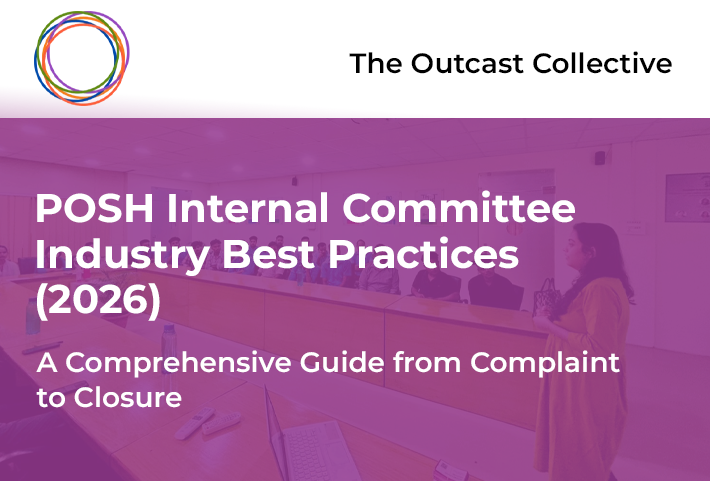
POSH Internal Committee Industry Best Practices (2026)
This guide has been developed as a practical and operational manual for Internal Committee (IC) members constituted under the Sexual Harassment of Women at Workplace (Prevention, Prohibition and Redressal) Act, 2013. While the POSH Act lays down statutory obligations, IC members often struggle with the interpretation, application, and execution of the law in real workplace situations. This guide bridges that gap by translating legal provisions into clear, actionable steps that IC members can follow across the lifecycle of a complaint.