May 27 2026 | theoutcastcollective
Workplace sexual harassment complaints are not just internal matters, they are governed by a strict legal framework. Yet, many organisations still make a fundamental mistake: handling such complaints through parallel mechanisms like disciplinary committees or HR-led inquiries.
A recent judgment by the Madhya Pradesh High Court serves as a strong reminder, this approach is not legally valid.
The Legal Position Under the POSH Framework
Under the POSH Act, any complaint of workplace sexual harassment must be handled only by the Internal Committee (IC).
Even if the allegation also falls under misconduct in a company’s Code of Conduct, organisations cannot bypass the POSH mechanism.
Where a specific statutory remedy exists, alternative inquiry mechanisms are not permitted.
This means:
- HR cannot independently investigate
- Disciplinary authorities cannot appoint external inquiry officers
- Parallel proceedings are not valid for POSH complaints
Key Judgment: No Parallel Inquiry Allowed
In the case of Dr. Sajan Kurien Mathew v. State of Madhya Pradesh and Others, the Court examined a situation where a university conducted a departmental inquiry instead of referring the matter to the Internal Committee.
The Court held:
“The disciplinary authority is, in fact, denuded of its power to appoint enquiry officer in cases of sexual harassment.”
What the Court Made Clear:
- The POSH Act is a special law, and overrides general service rules
- Only the IC (or LCC, where applicable) has authority to conduct the inquiry
- Any deviation can invalidate the entire disciplinary process
The Court ultimately quashed the termination and directed that the matter be placed before the appropriate IC.
Why This Matters for Organisations
This is not just a technical legal issue, it directly impacts organisational risk.
If a company:
- Uses the wrong inquiry mechanism
- Fails to involve the IC
- Compromises confidentiality or due process
The entire action taken (including termination) can be legally overturned.
Additionally, such missteps:
- Damage employee trust
- Expose the organisation to litigation
- Undermine the intent of POSH compliance
Case Study: Building Strong POSH Systems in Practice
While the law mandates strict compliance, leading organisations are going a step further, they are strengthening their internal systems proactively.
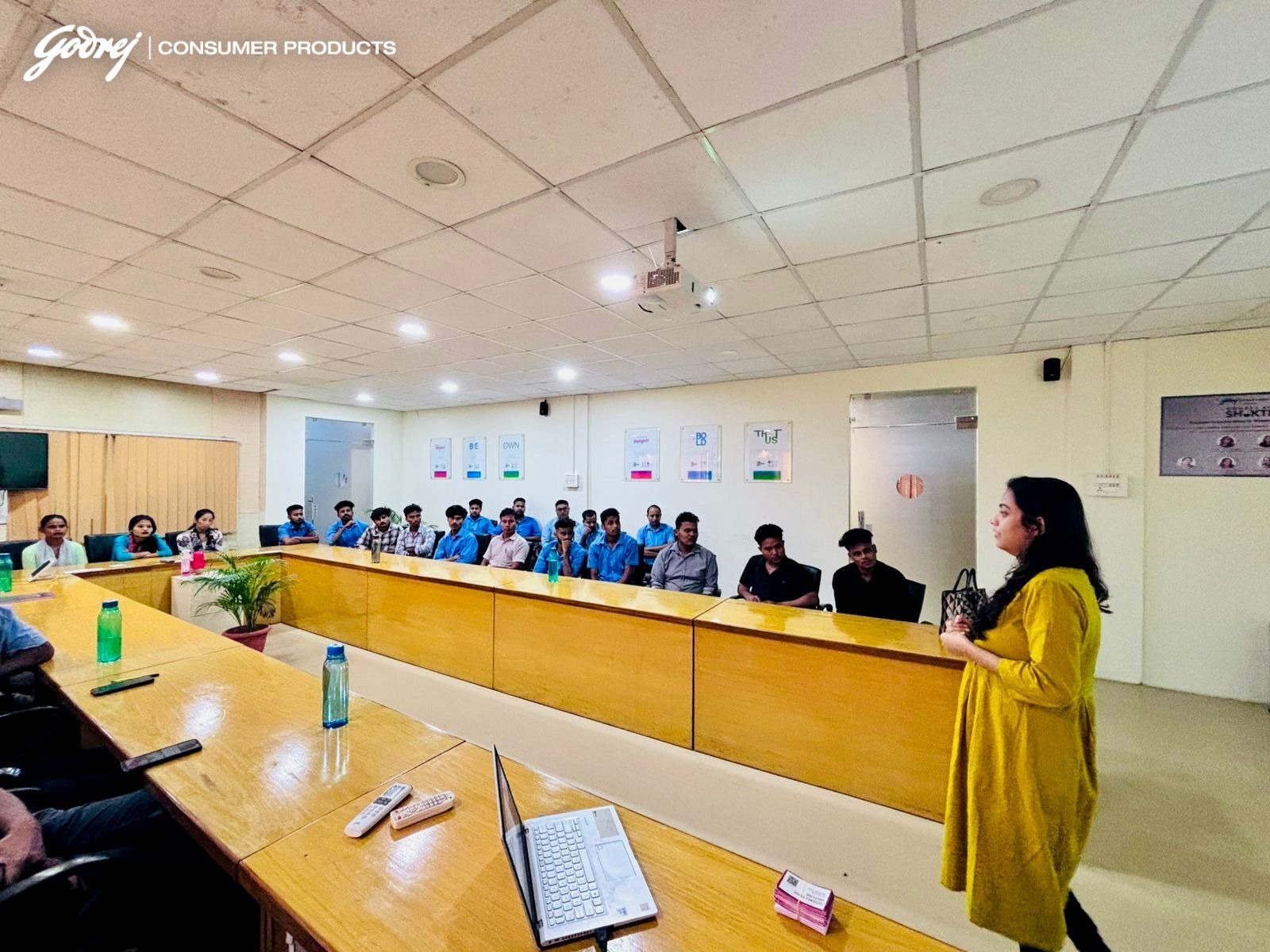
For instance, Godrej Consumer Products Limited partnered with The Outcast Collective to conduct 100+ POSH awareness and gender sensitisation workshops across teams.
What This Achieved:
- Clear understanding of roles within the POSH framework
- Better preparedness of Internal Committee members
- Increased awareness among employees on reporting mechanisms
- Reduced risk of procedural errors during complaints
This approach highlights an important shift:
Compliance is not just about handling complaints, it is about preventing mistakes before they happen.
The Risk of Getting It Wrong
The High Court’s ruling reinforces a critical point:
POSH is not flexible. It is procedural and mandatory.
Any attempt to:
- Run a parallel inquiry
- Replace the IC with another body
- Shortcut the prescribed process
…can lead to:
- Invalid investigations
- Reinstatement of accused employees
- Legal and reputational consequences
What Organisations Should Do Now
To stay compliant and protected:
- Ensure a properly constituted Internal Committee (IC)
- Train IC members regularly on legal procedures
- Avoid parallel or overlapping inquiry mechanisms
- Align HR and leadership teams with POSH protocols
- Conduct periodic awareness sessions across the organisation
Final Takeaway
The message from the Madhya Pradesh High Court is clear:
The Internal Committee is not optional, it is the only legally valid authority for POSH inquiries.
Organisations that fail to follow this framework are not just non-compliant, they are vulnerable.
In today’s environment, POSH compliance is not just about policy, it is about process, discipline, and accountability.
Take the first step today. Schedule an exploratory consultation via WhatsApp at +91 8928021419 or email rutuja@theoutcastcollective.com with our POSH experts and start building a workplace where everyone belongs.