Jul 11 2025 | theoutcastcollective
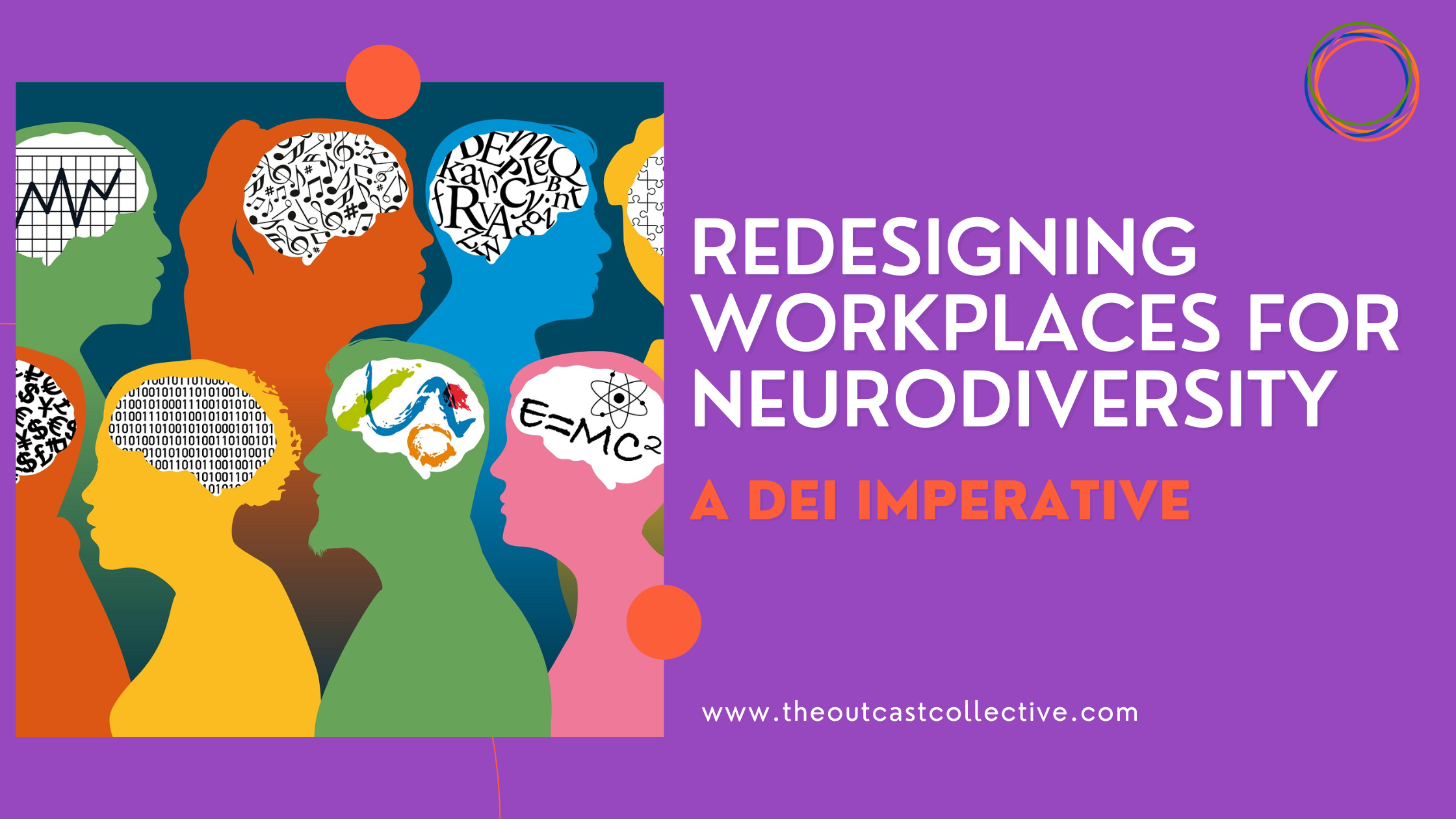
The concept of neurodiversity has become an essential component of modern diversity, equity, and inclusion (DEI) strategy. Neurodiversity refers to the natural variation in cognitive functioning, encompassing conditions such as autism, ADHD, dyslexia, dyspraxia, Tourette syndrome, and others. Globally, it is estimated that around 15–20% of the population is neurodivergent. Yet, traditional workplaces remain structured around neurotypical norms, often marginalizing this significant segment of the workforce.
Despite growing awareness, neurodivergent individuals are vastly underrepresented in employment. In the UK, for example, only 31% of autistic adults are in any form of employment, compared to 54.7% of all disabled people. In the U.S., up to 80% of individuals on the autism spectrum remain unemployed or underemployed. This disparity is not a reflection of talent or capability, but a result of systemic barriers—lack of structural support, inflexible environments, and hiring practices that fail to recognize diverse cognitive strengths.
The Business Case for Neuroinclusion
Redesigning workplaces for neurodiversity is more than an ethical choice—it’s a business imperative. Neurodivergent individuals often excel in areas such as pattern recognition, attention to detail, and creative problem-solving. Companies that invest in neuroinclusion programs consistently report improvements in productivity, innovation, and employee satisfaction.
Microsoft’s Neurodiversity Hiring Program replaced conventional interviews with skills-based assessments, resulting in higher retention rates and successful placement of neurodivergent employees in engineering, data science, and cybersecurity roles. SAP’s Autism at Work initiative set a goal to make 1% of its workforce neurodivergent and has shown measurable success in innovation output and team performance.
Similar stories emerge from Dell, JPMorgan Chase, EY, and Ford. JPMorgan Chase, for instance, found that neurodivergent hires outperformed their neurotypical peers by being 48% faster and up to 92% more productive in specific tasks.
These outcomes make it clear: when workplaces are designed to be inclusive of neurodivergent individuals, the entire organization benefits.
Key Elements of a Neuroinclusive Workplace
- Rethinking Hiring and Onboarding: Traditional hiring practices—open-ended interviews, vague job descriptions—often exclude neurodivergent candidates. Structured interviews, practical work assessments, and clear, jargon-free job postings create a more equitable process. Onboarding must be adaptive, with visual aids, extended timelines, and mentorship to support varied learning styles.
- Physical and Sensory Accommodations: Many neurodivergent individuals experience sensory sensitivities. Offices should include quiet zones, noise-cancelling tools, adjustable lighting, and varied seating options. Offering remote or hybrid work is also vital to support different sensory needs and work rhythms.
- Inclusive Communication: Clear and direct communication helps all employees thrive, particularly those who are neurodivergent. Avoid idiomatic expressions, use written follow-ups, and establish consistent channels for feedback and task clarification.
- Managerial Training and Culture Building: Inclusive leadership requires more than good intentions. Managers need concrete training in neurodiversity awareness, accommodation practices, and creating psychologically safe spaces. Cultivating a culture that respects different cognitive styles enhances team dynamics across the board.
- Policies and Disclosure Mechanisms: Support must be systemically embedded. This includes transparent policies that encourage accommodation requests without stigma, and secure avenues for voluntary disclosure. Creating Employee Resource Groups (ERGs) for neurodivergent staff fosters peer support and advocacy.
Challenges and Misconceptions
Despite advancements, several misconceptions and structural obstacles remain. Disclosure continues to be fraught with risk; many neurodivergent individuals hesitate to come forward due to concerns about bias or exclusion.
Equally problematic is the tendency to frame neurodivergence through a deficit lens. This pathologizing perspective overlooks the unique contributions and insights neurodivergent minds bring. When framed as a source of strength—rather than something to be managed—neurodiversity transforms the way teams think, collaborate, and innovate.
The Outcast Collective’s Point of View
At The Outcast Collective (TOC), we view neuroinclusion not as an initiative but as a comprehensive transformation. Our methodology integrates systems thinking, lived experience, and intersectional design. Inclusion begins by asking who the current structure excludes—and committing to build anew.
In working with clients across industries, we’ve seen that when neuroinclusion is woven into the organizational fabric, the impact extends well beyond the neurodivergent population. Innovation rises. Attrition falls. Team cohesion deepens. But none of this happens without intentional redesign.
Our approach is grounded in practice. That includes workspace audits to address sensory accessibility, redesigning hiring pipelines to include alternative assessments, crafting accommodation playbooks, and delivering executive coaching that centers neurodivergent voices. We don’t offer plug-and-play solutions—we co-create long-term strategies.
One of our partner organizations, a global financial services firm, restructured its analyst program with our support. By simplifying onboarding, pairing new hires with trained buddies, and implementing structured feedback loops, they saw a 40% increase in retention among neurodivergent analysts. Another client introduced a sensory-aware workspace policy—what followed was not only improved satisfaction among neurodivergent employees, but higher engagement across the board.
At TOC, we insist that inclusion must extend beyond physical accommodations. Psychological safety is critical. Neurodivergent employees must feel not just welcome—but understood, supported, and empowered to contribute as their authentic selves.
Designing Forward
Building neuroinclusive workplaces is not about special treatment—it’s about rebalancing systems that were never designed with cognitive diversity in mind. When organizations center neurodivergent perspectives in their DEI strategy, they unlock extraordinary value.
The question TOC encourages every leader to ask is this: “Who is the current system leaving behind?” From that point, the path to redesign becomes clear. Because designing for the edges doesn’t dilute impact—it strengthens the core.
Take the first step today. Schedule an exploratory consultation via WhatsApp at +91-9372177748 or email lakshmi@theoutcastcollective.com with our DEI experts and start building a workplace where everyone belongs.