Jul 21 2025 | theoutcastcollective
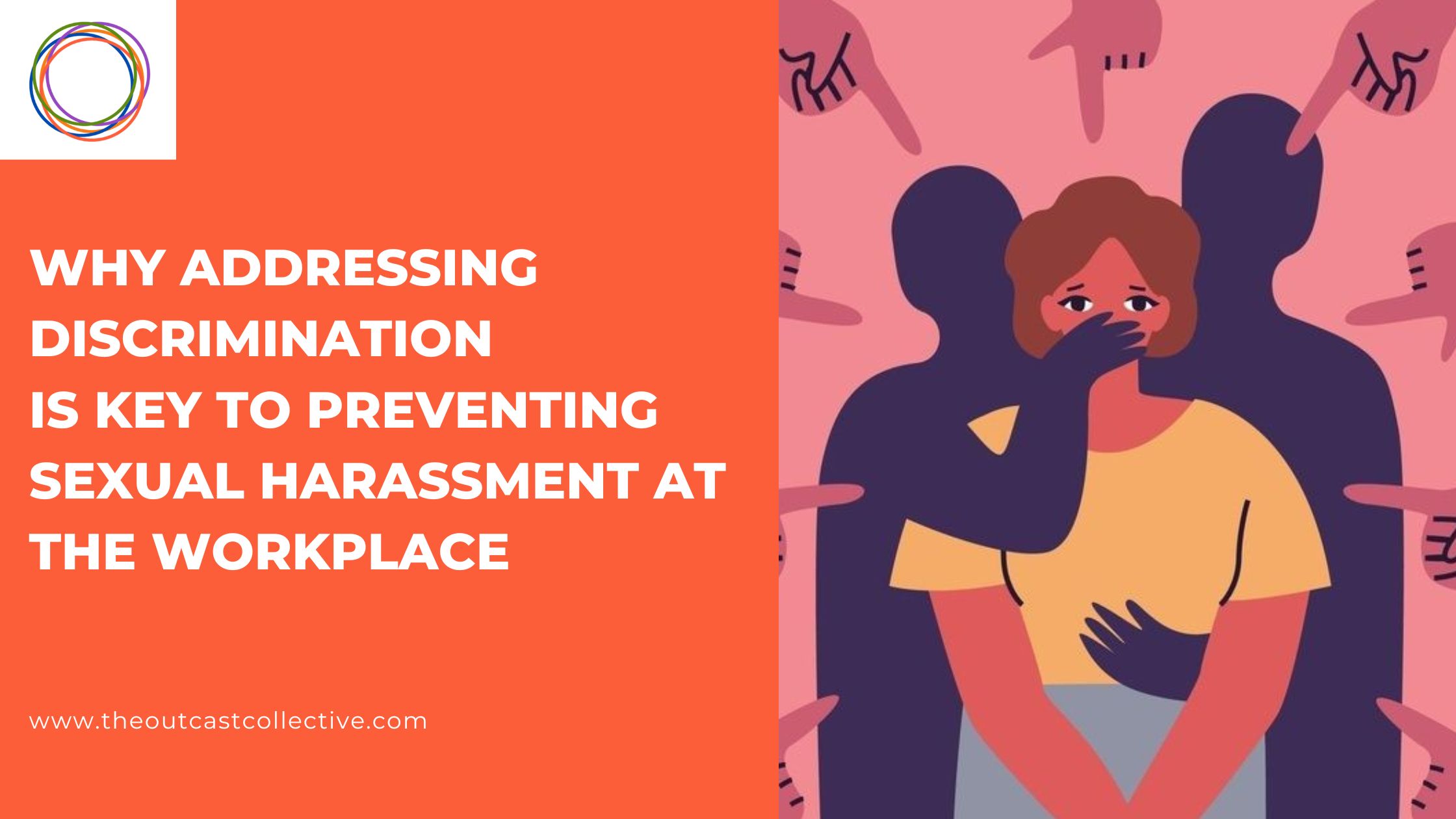
Sexual harassment in the workplace is rarely an isolated issue. Behind most complaints filed under the POSH Act (Prevention of Sexual Harassment), there often lies a deeper, more insidious layer of systemic discrimination—whether it’s based on gender, sexual orientation, caste, age, disability, or other socio-cultural identities.
To truly understand and address workplace sexual harassment, organizations need to go beyond the surface of inappropriate behavior and dig into the underlying power dynamics and exclusionary practices that make such harassment possible in the first place.
Discrimination and Harassment: A Connected Web
It’s a mistake to view POSH complaints purely through the lens of sexual misconduct. Many complaints are rooted in entrenched biases and discriminatory attitudes. In one case, a woman was repeatedly harassed by a colleague who believed her minority background would deter her from speaking up. In another, a person with a disability faced cruel remarks and derogatory behavior after rejecting a coworker’s advances.
These incidents are not just about sexual intent—they are about control, privilege, and prejudice. The act of harassment becomes a tool to assert dominance over someone perceived as ‘less powerful’ due to their identity.
Workplace sexism, casteism, ableism, and homophobia often intertwine with harassment, creating hostile environments that make reporting or seeking redressal even more difficult for victims. When organizations fail to recognize these interconnections, their POSH policies risk being reduced to mere checkboxes.
Understanding the Root Causes
Sexual harassment is fundamentally about power, not desire. It is a manifestation of unequal workplace dynamics—where those in dominant positions feel emboldened to violate boundaries, believing there will be no consequences.
For instance, in hierarchical workplaces where women, LGBTQIA+ individuals, or people with disabilities are underrepresented in leadership roles, it’s easier for harassers to exploit perceived vulnerabilities. This highlights how workplace exclusion, lack of diversity, and unchecked privilege create fertile ground for harassment to flourish.
Moreover, subtle biases—like dismissing someone’s voice because of their accent, stereotyping women as “emotional,” or assuming people with disabilities are less competent—can reinforce an atmosphere where harassment feels normalized or tolerated.
POSH Compliance Isn’t Enough
While having a POSH policy in place is a legal requirement under the POSH Act, compliance alone is not a silver bullet. Far too many organizations view POSH as a reactive measure—a way to handle complaints after the damage is done. This approach overlooks the proactive responsibility that employers have in building a safe, inclusive culture where harassment is unlikely to occur in the first place.
POSH must be integrated with broader Diversity, Equity, and Inclusion (DEI) strategies to be truly effective. Organizations that treat DEI and POSH as separate entities often miss the bigger picture. When DEI efforts are siloed away from grievance redressal, the workplace fails to address the systemic issues that lead to harassment in the first place.
Building an Inclusive Workplace Culture
The real solution lies in creating workplaces where respect and equity are non-negotiable values. Here are some key strategies to achieve this:
- Integrate POSH with DEI Initiatives: Companies that align their POSH training and redressal mechanisms with broader DEI goals see a much higher rate of prevention and employee engagement. This includes intersectional training that addresses unconscious bias, microaggressions, and privilege.
- Encourage Open Dialogue: Establish safe spaces where employees can share their experiences without fear of retaliation. Regular workshops, anonymous feedback tools, and inclusive leadership communication can go a long way in building trust.
- Strengthen Redressal Mechanisms: The Internal Committee (IC) should be well-trained, diverse, and equipped to handle complex complaints involving discrimination and harassment. It’s essential to go beyond a procedural approach and include empathy, trauma-informed practices, and an understanding of intersectionality.
- Measure Inclusion, Not Just Compliance: Monitor workplace climate through surveys and audits that assess inclusion, safety, and employee satisfaction—not just the number of POSH complaints. Low complaint rates may not mean a safe workplace; it could indicate fear or lack of trust in the system.
- Leadership Accountability: Inclusion must be championed from the top. Leaders should model inclusive behaviors, challenge discriminatory practices, and ensure zero tolerance for any form of harassment or bias.
The Way Forward
Sexual harassment at work doesn’t happen in a vacuum. It reflects deeper inequalities within the workplace and society at large. The POSH Act provides a legal foundation, but it’s the organizational culture that truly determines whether workplaces are safe, respectful, and inclusive.
In my experience, organizations that view POSH and DEI as interconnected pillars are more successful in both preventing harassment and ensuring employees feel empowered to speak up. By addressing the root causes—bias, exclusion, and power imbalance—companies don’t just prevent harassment; they foster a culture of dignity, equality, and trust.
At the end of the day, creating a truly harassment-free workplace means tackling discrimination in all its forms—not just reacting to symptoms, but curing the disease.
Take the first step today. Schedule an exploratory consultation via WhatsApp at +91-9372177748 or email lakshmi@theoutcastcollective.com with our DEI experts and start building a workplace where everyone belongs.